Clipboard First, Badge Upside Down: The Telltale Signs of a Brand-New Psych Nurse
Photo: Vilá, artist., Public domain, via Wikimedia Commons
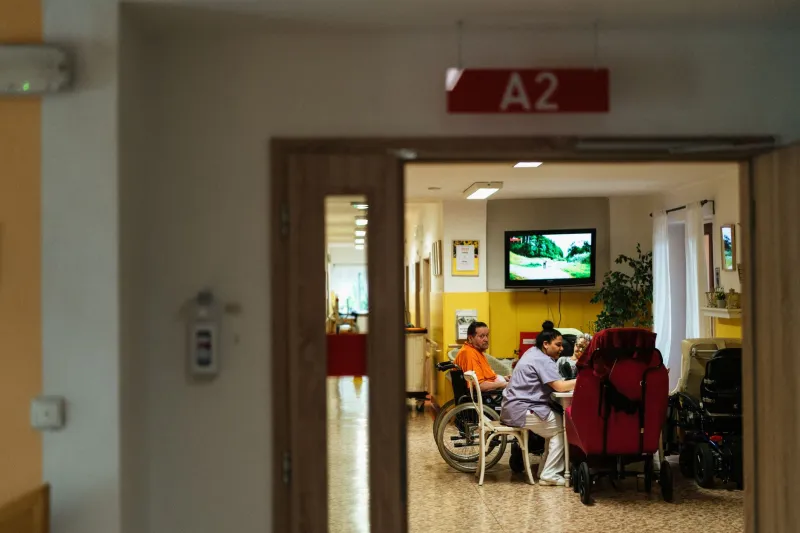
Walk onto any psychiatric unit in America about ten minutes before shift change and you can spot it. There's a rhythm to the hallway, a choreography the regulars don't even notice anymore. And then there's the new grad — standing slightly outside the rhythm, holding their clipboard like it might bite.
Nobody says anything out loud. They don't have to. After a few decades on the floor, psychiatric nurses have developed a sixth sense for spotting a first-week nurse, and it has nothing to do with the orientation badge or the laminated cheat sheet peeking out of a pocket.
We asked nurses at every career stage to decode the tells. What we got back was part comedy routine, part love letter to how far a person can grow in ten years.
The Hallway Position Says Everything
"Where they stand is the first thing," says Denise, a psych nurse of nineteen years in Ohio. "Experienced nurses stand where they can see the whole unit. It's automatic. A new grad stands against the wall, usually near the exit, holding their clipboard like a shield."
It's not cowardice — it's wiring. Veterans have internalized the sightlines of the unit: the dayroom, the nurses' station, the long corridor where things sometimes go sideways. New grads haven't mapped that geography yet, so they default to the safest-feeling spot. Give it six months, Denise says, and that same nurse will drift toward the middle of the hallway without even realizing why.
The Clipboard Test
Then there's the clipboard itself, or these days, the badge reel and the way everything is carried.
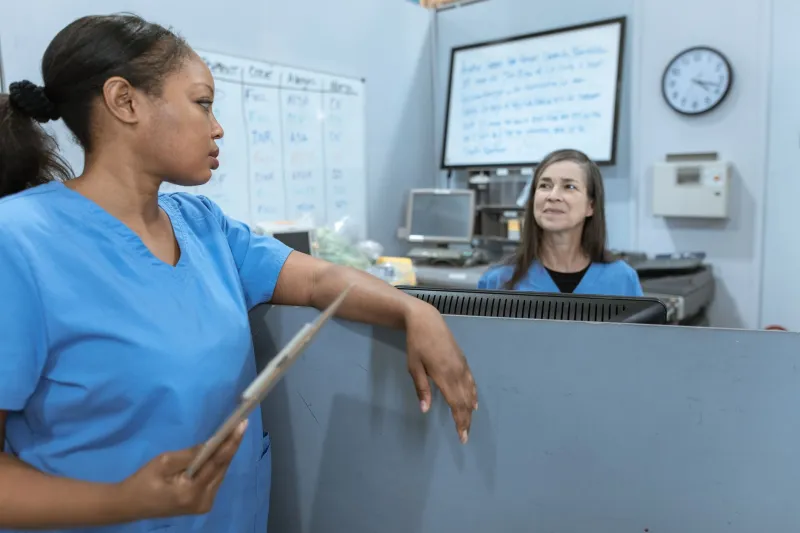
"New grads carry everything," laughs Marcus, five years in, out of Georgia. "Report sheet, pen light, three pens, a highlighter, the pocket protocol book. By year three you're down to one pen and a folded piece of paper. By year ten, honestly, you just remember things."
The over-packing isn't a flaw. It's a security blanket, and every veteran remembers having one. The gradual shedding of stuff is a quiet marker of confidence — proof that the knowledge has moved from paper into the person.
Other tells, according to our informal panel:
- The badge worn upside down for the first week (it flips when you lean over a med cart; veterans flip it back without thinking)
- Sitting down during any lull — veterans know a lull is never actually a lull
- Answering the unit phone on the first ring with a slightly panicked tone
- Walking the long way around the dayroom until they've learned which corners have blind spots
Why Nobody Mentions Any of This Out Loud
The whisper network isn't mean-spirited. Most of the nurses we spoke with described it with real affection — the way you'd describe watching a kid learn to ride a bike.
"We've all been that person," says Priya, a charge nurse in California with twelve years in. "I stood by that exit door for a month straight. The thing is, the tells are actually reassuring to us. They mean you're paying attention. You're watching, you're cautious, you haven't decided you know everything. That's exactly who I want on my unit."
There's also a protective instinct in the silence. Pointing out a new grad's nervousness in front of patients or families would undercut the one thing a new nurse has that can't be taught: the appearance of calm. So veterans read the signs, quietly adjust their assignments, and float a little closer to the hallway exit for a few weeks.
From Day One to Year Ten
What makes these tells worth writing down is what they eventually become. The nurse gripping the clipboard in October is, statistically speaking, the one who'll be training someone else's new grad in a decade.
The nurses we talked to traced the arc the same way: the first year is survival, all memorized scripts and white-knuckled med passes. Years two through four bring the voice — the moment de-escalation stops sounding rehearsed. Somewhere around year five, the hallway positioning becomes instinct. And by year ten, the tells reverse entirely: it's the veteran who gets spotted, standing in exactly the right place, carrying almost nothing, radiating the kind of calm that patients feel before they can name it.
"The best compliment I ever got was from a patient," Marcus says. "She told me I had 'slow hands and a fast brain.' Took me about seven years to earn that."
A Nod to the New Grads
So if you're the one holding the clipboard like a shield right now — badge upside down, standing by the exit — take heart. Every tell you're giving off is a stage, not a verdict. The hallway will teach you where to stand. The clipboard will lighten. And one day, sooner than you think, you'll glance down a corridor, spot a brand-new nurse clutching a report sheet with both hands, and smile at a familiar story.
This Nurses Day, the veterans we interviewed had one message for the newest members of the profession: keep standing where you stand, keep watching, keep the cheat sheet a little longer. The rhythm finds everyone eventually — and the unit is better for every pair of new feet that joins it.