Who Debriefs the Debriefers? Inside the Nurse-Run Programs Catching Psych Staff Before They Fall
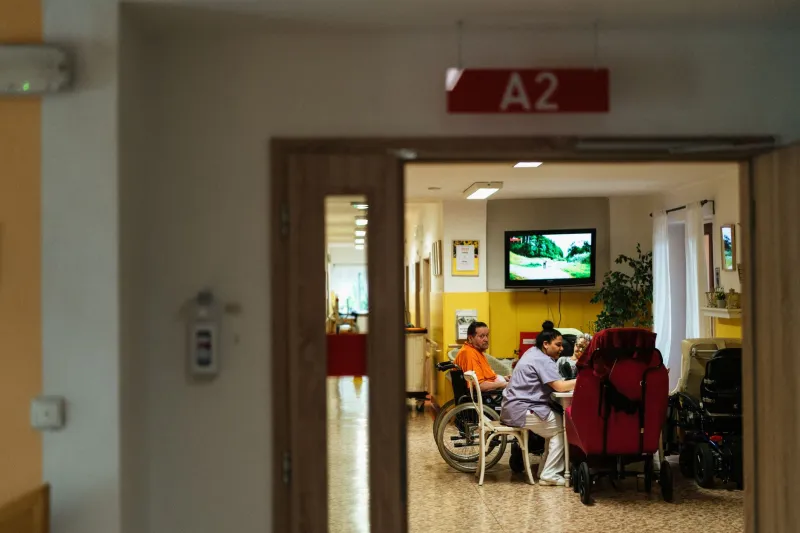
The code was called at 2:14 p.m. By 2:20, the situation was resolved — a patient in crisis, de-escalated, safe. By 2:25, the psych nurses on the unit were back on the floor, passing meds, updating charts, answering call lights. And by that night, most of them would go home and replay every second of it in their heads.
That gap — between the incident and the processing — is exactly where a growing number of American hospitals are finally stepping in. Peer support programs, confidential debrief circles, and what's known in the industry as "second victim" protocols are the fastest-growing wellness investment in psychiatric nursing. But as anyone who's sat through a mandatory pizza-and-platitude session knows, not all of these programs are created equal.
The Second Victim Nobody Names
The term "second victim" was coined by Dr. Susan Scott and her team at the University of Missouri, originally to describe clinicians traumatized by adverse patient outcomes. Psychiatric nurses live in a particular version of this reality. They absorb verbal abuse, physical threats, and the emotional whiplash of crisis after crisis — and then they're expected to be steady again for the next patient, sometimes within minutes.
"Nobody hands you a pamphlet after a restraint goes wrong," says a charge nurse from Ohio who asked to remain anonymous. "You just... keep going. Until you can't."
That's the problem second victim protocols aim to fix. The best versions are simple: within hours of a critical incident, a trained peer — not a manager, not HR — checks in with the nurses involved. Not an interrogation. Not a performance review. Just a colleague asking, "Are you okay? Do you want to talk?"
What Actually Works (and What's Just Theater)
Ask nurses about workplace mental health programs and you'll get a full spectrum of reactions, from genuine gratitude to eye-rolling.
The programs that earn eye-rolls tend to share a few traits. They're run by administrators who've never worked a psych floor. They offer EAP brochures instead of real-time support. They schedule "wellness sessions" at times that conflict with shifts. And they treat burnout as an individual failure — as if a meditation app could offset chronic understaffing.
The programs that work share something else entirely: they're nurse-led.
Take the model gaining traction in several large hospital systems, where experienced nurses volunteer as trained peer supporters. They complete coursework in psychological first aid, learn the boundaries of confidentiality, and make themselves available after critical incidents. Because they've stood in the same shoes, they know what questions to ask — and which ones to never ask.
"When a fellow nurse asks how I'm doing, I actually answer," one ICU-turned-psych nurse told us. "When HR asks, I say 'fine' and go back to work."
The Debrief Circle, Done Right
The classic format is the post-incident debrief: a short, structured conversation held within 24 to 72 hours of a difficult event. Done well, it follows a few ground rules:
- Voluntary attendance. Nobody is required to share, or even speak.
- Confidentiality, clearly stated up front. What's said in the room stays in the room.
- No blame, no documentation. The goal is emotional processing, not root-cause analysis — that's a separate meeting with separate people.
- Food helps. It sounds trivial. It isn't. Breaking bread lowers defenses in a way that fluorescent-lit conference rooms never will.
One nurse from a behavioral health unit in Minneapolis described her first debrief circle as "the first time in nine years anyone asked me how the job felt, instead of how it performed."
That distinction matters. Metrics and outcomes have their place, but recovery is a feeling, not a spreadsheet.
Why Nurse-Run Beats Top-Down, Every Time
There's a simple reason nurse-led programs outperform administratively driven ones: trust. Psychiatric nurses are professionally trained to detect incongruence — the gap between what someone says and what they mean. A wellness initiative that exists to protect the hospital's liability reads as exactly that.
A peer supporter, by contrast, has skin in the game. They've worked the holidays. They've been short-staffed. They've cried in the med room. Their credibility isn't granted by a title; it's earned by shared experience.
The data backs this up. Studies of peer support programs — including work from the Missouri-based "forYOU" team — consistently show reduced symptoms of secondary traumatic stress, lower turnover intent, and faster emotional recovery after critical incidents when support comes from trained peers rather than external counseling alone.
The Roadblocks That Remain
None of this is friction-free. Peer programs need funding, protected time, and — critically — genuine confidentiality protections, because a nurse worried their disclosure will end up in a personnel file won't participate. Some states and systems are exploring legal shields for peer support conversations, similar to protections that exist for physician peer review.
There's also the cultural hurdle. In a profession that celebrates stoicism, asking for help can still feel like an admission of weakness. Older nurses, in particular, sometimes dismiss debriefs as "therapy light." The counterargument, veteran supporters say, is that the same nurses who resist attending will quietly pull a young colleague aside afterward and say, "Hey, that circle helped me once. You should go."
A Gift That Outlasts the Hallmark Holiday
Every May, Nurses Week rolls around with its banners and luncheons. But the nurses we spoke with for this story kept circling back to the same idea: the best appreciation isn't a gift — it's infrastructure. It's knowing that when the worst shift of your career happens, someone trained, someone who gets it, will find you before the day is out.
If your workplace doesn't have a peer support program yet, the movement is young enough to join. The American Nurses Association and several state nursing associations offer peer support training resources, and nurse-led models are documented enough to bring to leadership as a proposal, not a plea.
The nurses who care for America's most vulnerable patients deserve more than a thank-you card. They deserve a system that catches them the way they catch everyone else. Increasingly, nurses themselves are the ones building it — one debrief circle, one check-in, one honest conversation at a time.