One Nurse, Three Counties, Zero Psychiatrists: Inside Rural America's Mental Health Front Line
Here's a number worth sitting with: more than 100 million Americans live in areas with a shortage of mental health professionals, and the shortage is deepest in rural counties. In parts of the Great Plains, the Mountain West, and Appalachia, there may be no practicing psychiatrist within a two-hour drive. Sometimes there isn't one in the county at all.
Who shows up instead? Increasingly, it's a mental health nurse. One person. Sometimes covering multiple counties, a school district, a jail, and a clinic — often all in the same week.
What the Shortage Looks Like on the Ground
The math is unforgiving. Roughly 60% of rural Americans live in a designated mental health professional shortage area, according to federal workforce data. Rural counties have some of the highest suicide rates in the country, and farmers, veterans, and older adults — populations overrepresented in rural America — face elevated risk.
In that landscape, the psychiatric nurse isn't a support role. They're the assessment, the medication management support, the crisis response, and often the only familiar face a patient sees twice a year. A nurse in eastern Montana told us she keeps a list of every client in three counties, because if she doesn't check on them, no one else will.
The Nurses Holding the Line
Spend any time talking with rural psychiatric nurses and a few patterns emerge.
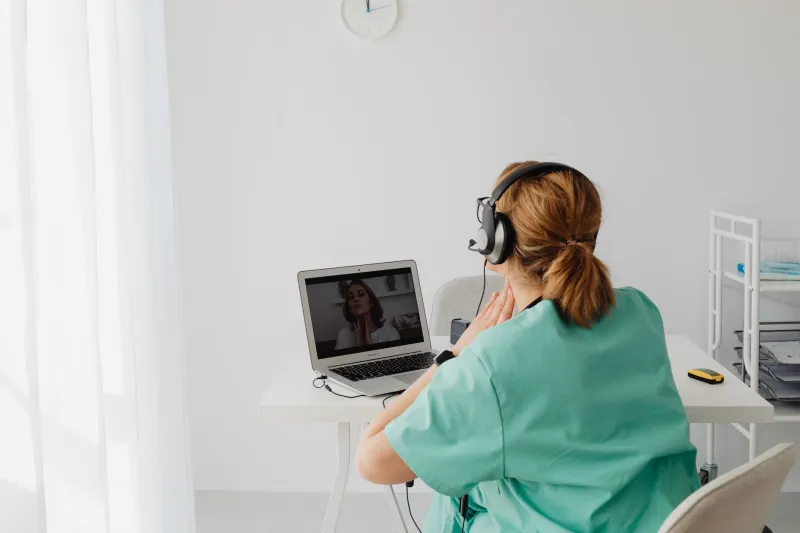
The telehealth pioneers. When the pandemic blew the doors open on remote care, rural nurses were already positioned to run with it. Nurses in places like rural Kentucky and the Dakotas built telepsychiatry workflows that connect patients in their homes — or a school nurse's office — to prescribers hundreds of miles away. Many of these programs exist because a nurse refused to let reimbursement rules and clunky tech be the end of the conversation.
The community embeds. In towns where the hospital closed years ago, some nurses practice out of churches, fire stations, and county health departments. They partner with sheriff's departments on crisis response, train teachers to recognize warning signs, and show up at the feed store when someone's struggling. Formal job description? Not exactly. Effective? Ask the communities that fought to keep them.
The commuters. Plenty of rural psych nurses drive two or three hours to cover a clinic two days a week, then do telehealth follow-ups from their kitchen table. The care happens because somebody's willing to put in the miles.
Why Recognition Keeps Missing Them
Here's the uncomfortable part for those of us in the recognition space: most Nurses Week celebrations, award programs, and appreciation events are built around hospitals. Big buildings, big staffs, big budgets for pizza parties and badge reels.
A nurse who works alone out of a county health office in the Nebraska panhandle isn't in the room for any of that. Neither is the school-based psych nurse covering four small towns. If our appreciation efforts only reach people inside hospital walls, we're honoring a fraction of the workforce — and arguably not even the most stretched part of it.
A few ways to close that gap:
- Nominate rural nurses for national awards. State nursing associations and specialty organizations all run recognition programs, and rural nominations are chronically underrepresented.
- Fund the travel. If you're organizing an event or conference, scholarships that cover gas, lodging, and locum coverage make attendance possible for solo practitioners.
- Advocate for the pipeline. Loan repayment programs like the NHSC and state-level incentives are the single biggest lever for getting psychiatric nurses into shortage areas — and keeping them there.
- Simply say thank you where they are. A card mailed to a county clinic lands differently than a tweet.
The Line Has to Be Held by Someone
There's a real risk in romanticizing this. Nurses absorbing system failures shouldn't have to be heroic — they should be supported, staffed, and paid. Recognition isn't a substitute for policy.
But it's a start. The nurses holding down mental health care in America's smallest towns are doing some of the hardest work in the profession with the least visibility in it. This year, find one of them. Learn their name. Then make sure somebody else learns it too.