Mental Health Nurses Have Kept America Standing. It's Time We Returned the Favor.
Every May, hospitals across the country roll out the taco carts and banner signs for Nurses Week. It's genuinely nice. But if you're a psychiatric-mental health nurse, there's a decent chance the celebration feels a little generic—a card signed by administration, a luncheon shared with hundreds of colleagues, and back to the unit by 1 p.m.
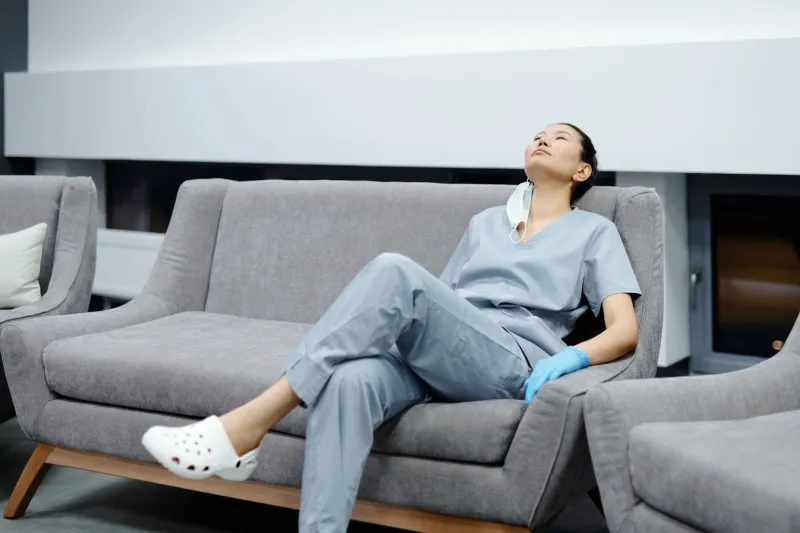
Meanwhile, America is in the middle of a mental health crisis that shows no sign of letting up. And the nurses trained specifically to meet it? They remain the most overlooked branch of an already stretched profession.
It's time to make the case—openly and unapologetically—that PMH nurses deserve their own moment of national recognition. And more importantly, here's how to actually deliver it.
The Recognition Gap, In Plain Terms
Nursing appreciation culture in the US tends to default to a familiar image: the ICU nurse, the ER nurse, the pandemic-era hero in scrubs. These nurses have earned every bit of that respect.
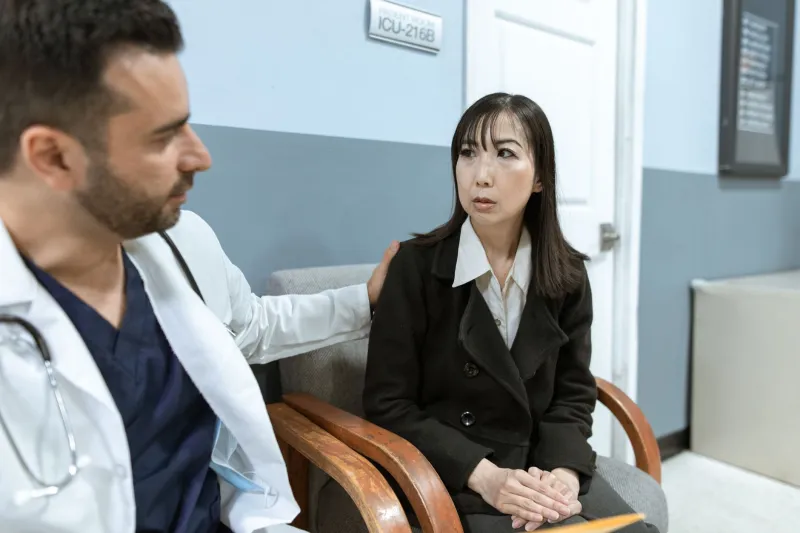
But psychiatric nursing sits oddly outside that frame. The work is less visible—there's no code blue, no dramatic save captured on a TV drama. There's a de-escalation that prevented a code. A suicide risk assessment done at 3 a.m. A therapeutic hold on a relationship with a patient nobody else could reach. The outcomes are real, but they're quiet.
Quiet work gets forgotten. Recognition events rarely come looking for it.
A Short History of the Fight to Be Seen
Psychiatric nursing in America dates back to the late 1800s, when training schools began formalizing care for the mentally ill in state hospitals. The specialty professionalized over the twentieth century, and in 2014, the American Nurses Association formally recognized psychiatric-mental health nursing as a distinct specialty—an acknowledgment decades in the making.
The American Psychiatric Nurses Association (APNA), founded in 1986, has long championed the field, and certification through the ANCC gives PMH nurses a rigorous credential. Yet despite this institutional maturity, public-facing appreciation hasn't caught up. There's no widely observed national day for mental health nurses on most hospital calendars. That gap is what sites like MH Nurses Day exist to close.
The Data Makes the Case for Us
Consider what PMH nurses are working against right now:
- Roughly one in five US adults lives with a mental illness in any given year, according to NIMH data.
- The United States faces a persistent shortage of mental health professionals, with large swaths of the country designated federal Mental Health Professional Shortage Areas.
- Psychiatric units consistently report elevated rates of workplace violence and emotional exhaustion compared to other specialties.
- Demand for behavioral health services surged after the COVID-19 pandemic and hasn't returned to baseline.
Put simply: the need is growing, the workforce is strained, and the specialists doing this work are burning out faster than we can replace them. Recognition isn't just a nice-to-have here. It's a retention strategy. Nurses who feel seen stay. Nurses who feel invisible leave—and take their expertise with them.
A Practical Toolkit for Meaningful Recognition
Here's the honest part: a pizza party won't cut it. If you're a hospital administrator, manager, community leader, or just someone who cares, here's what meaningful recognition actually looks like.
For Hospitals and Health Systems
- Fund a dedicated PMH Nurse Recognition Day on your calendar, separate from general Nurses Week, with leadership visibility—not just a poster.
- Invest in the unit itself. Recognition paired with staffing improvements and violence-prevention measures lands as sincere. Recognition without resources lands as PR.
- Spotlight individual stories in internal communications and local media—with consent and care around patient privacy.
For Workplaces and Communities
- Partner with local NAMI chapters or community mental health centers to host appreciation events that connect nurses with the people their work impacts.
- Write the letter. A specific, personal note from a former patient or family member outperforms any gift card. Facilitate those letters where you can.
- Support organizations like APNA that provide professional development and advocacy for the specialty year-round, not just in May.
For Individuals
- If a psych nurse changed your life or your family's, say so. Publicly if you're comfortable. Specifically, always.
- Share their stories. Visibility is a form of advocacy anyone can practice.
The Moment Is Now
America will keep asking mental health nurses to carry more—more patients, more crises, more complexity. The least the rest of us can do is make sure they know we see it.
A dedicated national moment of recognition won't fix staffing ratios or reimbursement rates. But it builds culture, and culture drives policy. When the public understands what psychiatric nurses do, the funding and respect follow.
So here's the pitch: pick a day. Say their names. Celebrate the nurses who sit with people in their darkest hours. Because honoring the hearts behind mental health care isn't sentimentality—it's strategy, and it's overdue.