The Second Shift Nobody Schedules: Psych Nurses Building Their Own Support Circles

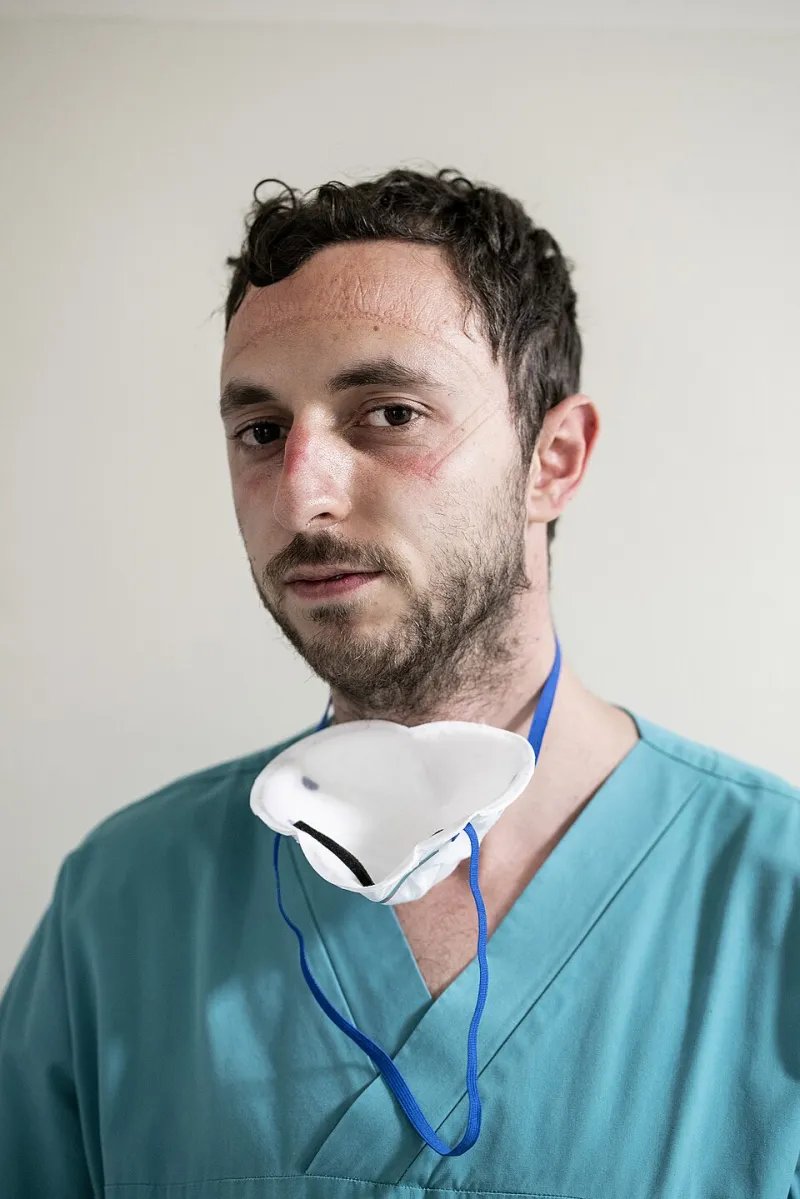
Photo: Dietmar Rabich, CC BY-SA 4.0, via Wikimedia Commons
Every other Thursday, a group of psych nurses in the Midwest meets at a diner booth near the hospital. Nobody takes minutes. Nobody reports anything to HR. They order pie, they talk about the shifts that stuck, and they leave lighter than they arrived.
No official name. No budget. Just a safety net some nurses knitted for themselves — and increasingly, it's the kind that's actually holding.
When the Formal Stuff Falls Flat
Most hospitals offer something on paper: an Employee Assistance Program, maybe a counselor referral, maybe a debrief after a critical incident. And look, for some nurses, those resources genuinely help. But ask around any psych unit and you'll hear the same hesitations on repeat.
The counselor is affiliated with the employer. Nurses worry, rationally or not, that what they say could follow them. And there's a translation problem no brochure solves: explaining what it's like to sit with a patient in crisis to someone who's never done it takes energy that a depleted nurse simply doesn't have.
There's also the scheduling absurdity. A critical incident debrief scheduled for 3 p.m. on a Wednesday only works if you're not sleeping off a night shift, picking up your kids, or — you know — working. Formal support assumes a nine-to-five life that psych nursing has never once resembled.
What Peer Circles Do Differently
The informal circles popping up around the country work on a different operating system entirely.
First, there's instant credibility. When a nurse says 'the code was rough,' she doesn't have to define 'code' or justify why it was rough. Everyone at the table already knows. That shortcut — skipping the explaining — is the whole product.
Second, there's no documentation, no diagnosis, no chart. Just conversation. For a profession that spends twelve hours a shift writing everything down, the absence of a record is its own kind of relief.
Third, the format is flexible. Some circles are six nurses in a church basement with bad coffee. Some are a group text that turns into a Sunday morning video call. Some follow a loose structure borrowed from support-group models — a check-in, a topic, a closing round. Others are pure freeform. What they share isn't format; it's ownership. The nurses run it, so the nurses trust it.
How These Circles Actually Get Started
Talk to nurses who've built one and the origin stories rhyme. Usually it starts with one person noticing a colleague struggling and saying the simple thing: 'Want to grab coffee after we sleep?'
From there, a few patterns help it stick:
- Consistency over intensity. Meeting every other week beats an annual retreat. Rhythm builds safety.
- Ground rules, stated once. What's said at the table stays at the table. No fixing unless someone asks.
- No hierarchy. The charge nurse and the newest grad sit in the same booth as equals. Titles stay at work.
- Permission to be shallow. Not every session is heavy. Sometimes it's complaining about the vending machine, and that's fine. Laughter is load-bearing.
- A door that stays open. Nobody keeps attendance. Showing up after a month away gets a welcome, not a guilt trip.
The Quiet Multiplication
Here's what makes this movement interesting: it spreads laterally. A nurse who found relief in one circle transfers to a new hospital and starts another. A travel nurse brings the format to three states in a single year. There's no national organization, no trademark, no conference — just a model that copies itself because it works.
Some circles have grown formal edges — inviting a therapist facilitator once a quarter, coordinating with a local nursing association for meeting space. But the DNA stays peer-led, because that's the ingredient the formal options were missing.
A Different Kind of Assessment
Nurses are trained to assess. So here's an honest one: the mental health of the mental health workforce is not fine, and waiting for institutional solutions has a poor track record. Peer circles aren't a replacement for therapy when therapy is needed — good circles say so plainly and refer out.
But as a daily, weekly, human layer of support? The diner booth might be outperforming the portal.
So if you're a psych nurse running on fumes: you don't need permission, a budget, or a program. You need a table, a couple of colleagues, and one honest sentence to start. The profession has spent decades teaching patients that healing happens in community. Maybe it's time nurses took their own advice — one circle at a time.