Pancakes at 8 A.M., Windows Down on the Way Home: The Rituals That Keep Night Shift Psych Nurses Human
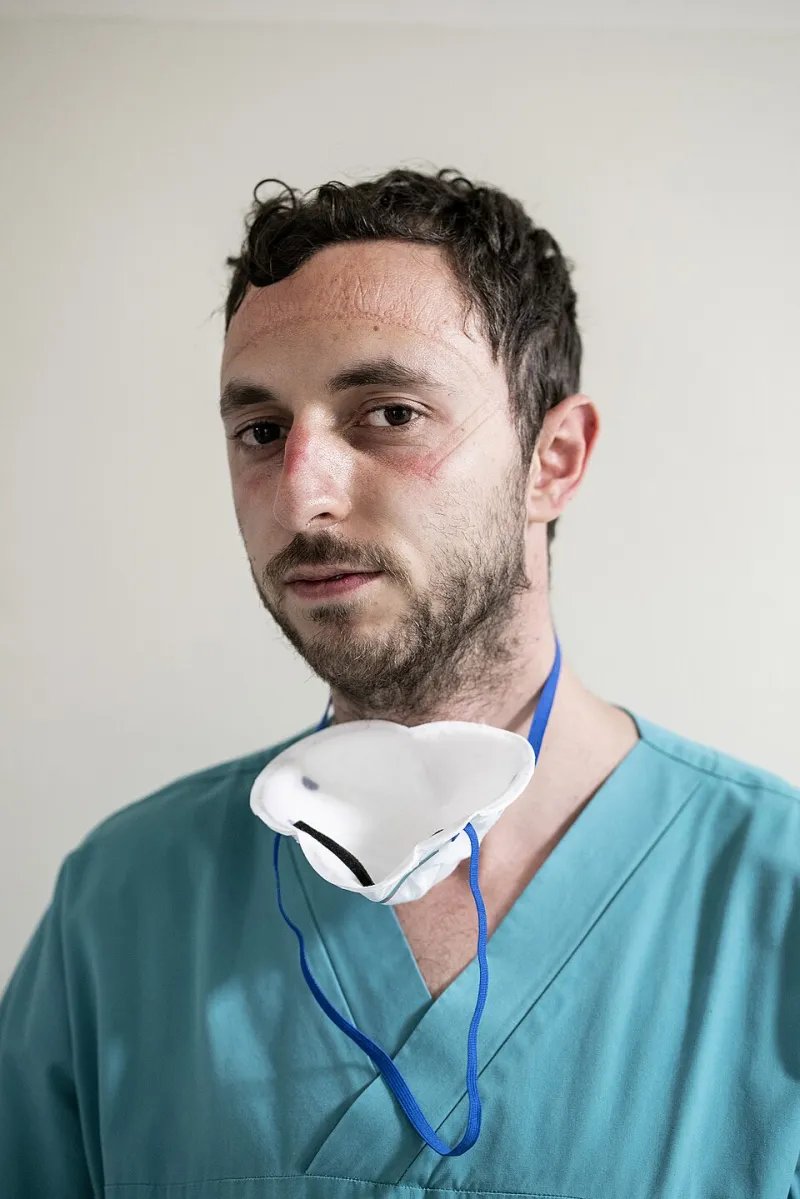
Photo: Alberto Giuliani, CC BY-SA 4.0, via Wikimedia Commons
The Sunrise Diner in Dayton, Ohio doesn't serve anything fancy. Eggs, hash browns, coffee that's been on the burner a while. But every morning around 7:45, the same booth fills up with the same scrubs — the overnight crew from the behavioral health unit two miles down the road.
"The waitress knows our orders better than our families do," laughs Marcus, a psych nurse with eleven years of nights under his belt. "She doesn't ask how work was. That's the whole point. She just refills the coffee."
That unspoken understanding — the not-asking — might be the most underrated wellness resource in American nursing. Nobody hands out a pamphlet about it. But ask night shift psych nurses what keeps them standing, and the answers rarely involve apps or self-care checklists. They involve pancakes. Car radios. A specific stretch of county road.
The Decompression Commute
Ask any veteran of psychiatric nights and they'll tell you about the drive. Not the destination — the drive itself.
"Twenty-two minutes with the windows down, even in January," says Dana, who works a locked unit in western Pennsylvania. "I call it my pressure release valve. By the time I hit my driveway, I'm not the nurse anymore. I'm just me."
There's real logic buried in the superstition. Sleep researchers who study shift workers have long noted that a buffer zone between work and bed helps the brain shift gears. For psych nurses, whose shifts can include restraint holds, crisis interventions, and hours of sitting with someone in the darkest hour of their life, that buffer isn't a luxury. It's equipment.
Some nurses have versions of this that don't involve a car. In Tucson, a small group of night shifters meets at a trailhead at 8 A.M. sharp — after their shifts, before their sleep — for what they call the "sunrise walk." Nobody talks about the unit unless someone needs to. Mostly they talk about dogs, landscaping, and a Netflix show nobody will admit to watching.
The Diner That Never Asks Questions
There's a particular kind of restaurant that becomes sacred ground for overnight hospital staff. It's open late or early, the coffee is bottomless, and the staff have learned — through years of serving cops, EMTs, and nurses — what these customers need. Usually it's food, quiet, and a booth with a view of the door.
"We had a rough one," one Texas nurse recalls of a night several years ago. "We all showed up at the diner and nobody said a word for forty-five minutes. The waitress just kept the pot coming. Best shift support I ever got, and nobody said a sentence."
These rituals do something formal debriefings can't. They're voluntary. They're unstructured. There's no agenda, no documentation, no feeling like you're being assessed for how well you're coping. You show up or you don't. You talk or you don't. The booth is there either way.
Why the Small Stuff Outlasts the Big Gestures
Hospitals love a wellness initiative. Yoga in the conference room. A gratitude journal in every break room. These things aren't bad. But nurses describe them with a certain weariness — one more thing scheduled for them, often at a time that doesn't fit a night shift body clock.
The diner ritual, by contrast, belongs to the nurses. Nobody organized it. Nobody funds it. And that's exactly why it works.
"Burnout isn't just exhaustion," says one charge nurse who's spent two decades on nights. "It's feeling like nothing in your life is yours. My breakfast crew? That's mine. The hospital can't schedule it, can't cancel it, can't put it in a survey."
There's a lesson here for administrators and for the rest of us who want to support mental health nurses: the best thing you can give a night shift nurse might not be a program. It might be protecting the conditions where their own rituals can survive — fair scheduling that lets a regular breakfast actually happen, and a culture that doesn't treat the diner booth as a sign of weakness.
Start Your Own
If you're a nurse looking to build something like this, the blueprint is remarkably simple:
- Pick a place that requires nothing. No reservations, no dress code, no small talk expected.
- Keep the invitation loose. "We're there most Fridays" beats a formal sign-up sheet every time.
- Let silence be a valid option. The best rituals accommodate the worst nights.
- Protect it. Don't turn it into a debrief. Don't make it mandatory. Don't post about it on the unit bulletin board.
And if you're not a nurse? The next time you see a table of scrubs at your local 24-hour spot at 8 A.M., maybe just refill the coffee and move along. You might be looking at the reason someone made it through the night — and the reason they'll come back tomorrow.
Because honoring the hearts behind mental health care sometimes looks like a bottomless cup, a warm booth, and the wisdom to not ask how work was.