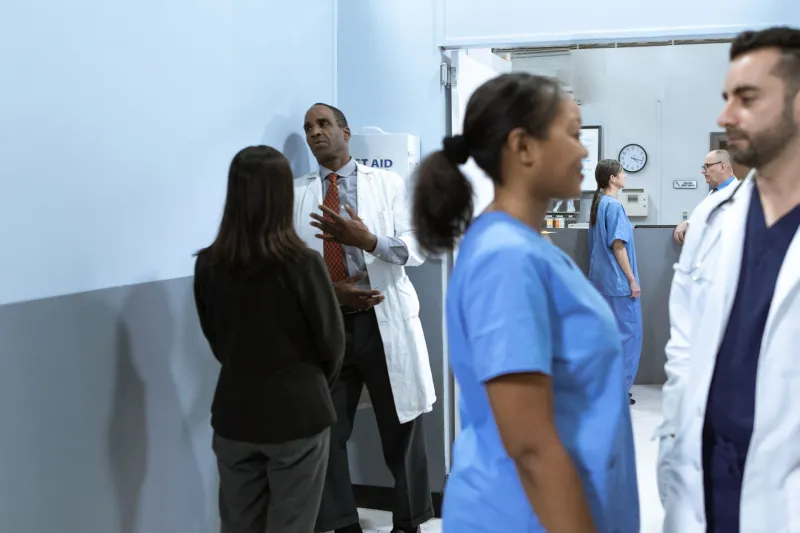
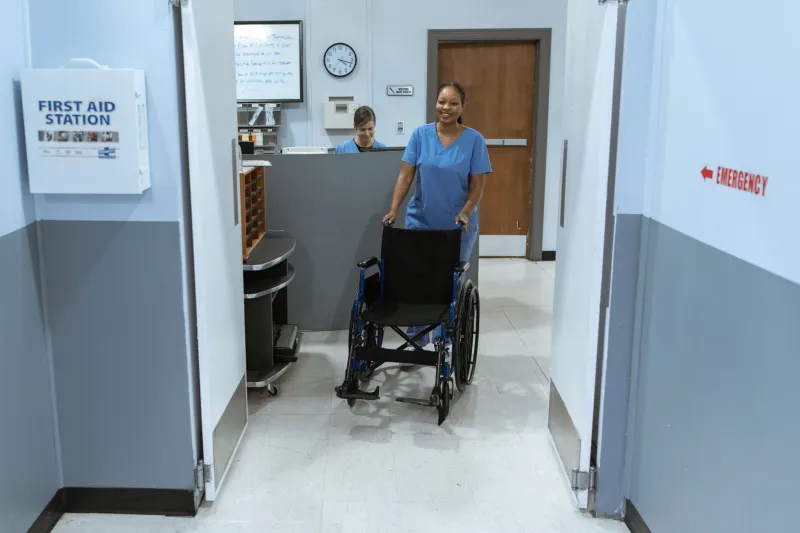
From Bedside to Bill Text: The Ex-Psych Nurses Quietly Rewriting America's Mental Health Laws
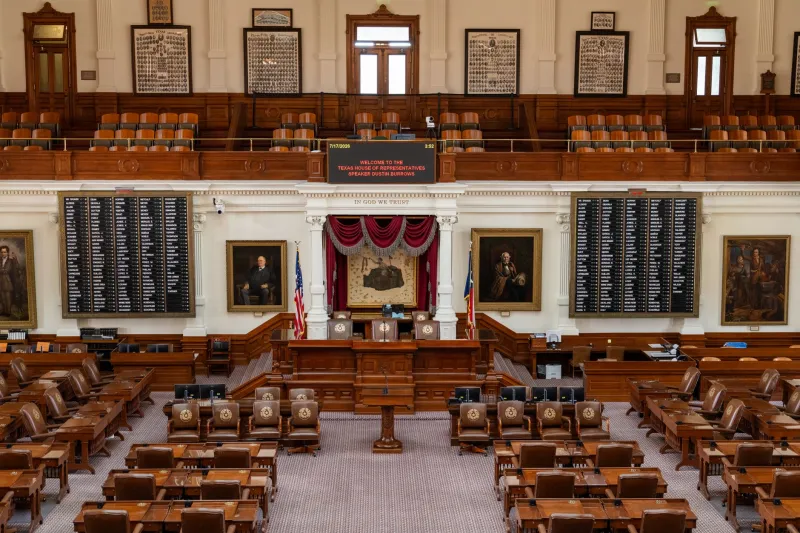
There's a particular kind of knowledge you can't get from a briefing memo. It's the knowledge of what a crisis actually sounds like at 2 a.m., of which resources were missing when they mattered most, of what it feels like to hold a system together with nothing but your own two hands and a laminated cheat sheet.
A growing number of former psychiatric nurses are carrying that knowledge somewhere it's rarely been before: into the rooms where mental health laws get written.
When the Legislator Has Already Held the Hand
Across the country, nurses are running for office — and winning. Organizations like Run for Something and the national Nurses Campaign to End Health Disparities have tracked a steady rise in healthcare workers on state legislative ballots, and mental health nurses are increasingly part of that wave.
The logic makes sense once you hear it from the nurses themselves. Many describe a breaking point: watching the same patients cycle through the same revolving door because community services didn't exist, or because insurance wouldn't cover them, or because a crisis line rang straight to voicemail in a rural county. At some point, the frustration stops being clinical and becomes political.
And when a former psych nurse stands up in a committee hearing to talk about psychiatric bed shortages, the tone of the room changes. Nobody can accuse them of theorizing. They've lived the staffing ratios, the discharge dilemmas, the paperwork that eats an hour of every shift.
The Quiet Power of the Policy Job
Not every nurse-turned-advocate wins an election. Many take a different route — one that's less visible but arguably just as influential.
State health departments hire former psychiatric nurses to design crisis response standards. The 988 Suicide & Crisis Lifeline rollout, for example, depends heavily on people who understand what happens after the call ends. Advocacy organizations like Mental Health America and the National Alliance on Mental Illness (NAMI) employ nurses on their policy teams, where they review proposed legislation through a lens no one else on staff can offer.
Consider what that lens catches. A bill might fund a new crisis stabilization center — on paper, a win. But a nurse who's worked admissions knows to ask: Who staffs it? What's the transport plan? Is there a step-down pathway, or will patients just bounce back to the ER? That's the difference between legislation that photographs well at a ribbon-cutting and legislation that actually works on a Tuesday night.
Bedside Fluency, Translated
What makes these nurse-advocates effective isn't just experience — it's translation. Policy language tends to be abstract: "evidence-based interventions," "care continuum," "workforce pipeline." Nurses who spent years doing de-escalation with patients in distress are, in a sense, trained translators. They take human chaos and render it into something workable. A hearing room isn't so different from a unit in that respect.
They also bring something rarer: credibility with both sides. Fiscal conservatives respond to the cost data nurses know cold — the price of one psychiatric admission versus a year of community care. Progressives respond to the equity arguments. And everyone, eventually, responds to the stories, because former nurses tell them without embellishment. They don't need to dramatize. They were there.
What This Means for the Rest of Us
For nurses still on the unit, this shift carries a message worth sitting with: your expertise doesn't expire when you clock out. Whether it's commenting on a state Medicaid proposal, joining a professional association's legislative committee, or testifying at a public hearing for fifteen minutes, psychiatric nurses have standing in these conversations that no lobbyist can replicate.
And for the rest of us — the patients, families, and communities who depend on mental health care — it's worth noticing when a nurse's name shows up as a bill sponsor or a policy advisor. It usually means the fine print got read by someone who knows what the fine print feels like at 3 a.m.
The scrubs come off. The work doesn't. And honestly, that might be the most hopeful thing happening in American mental health policy right now.