Kept in a Drawer, Carried for Years: The Small Tokens Psych Nurses Can't Part With

There's a drawer in Denise's kitchen that doesn't hold silverware. It holds a laminated hospital ID from 1998, its photo so faded her face looks like it's underwater. She hasn't worked at that hospital in over a decade. She hasn't worn that badge since the early 2000s. But when her family suggested a cleanup last spring, she shut the drawer and said, 'Not that one.'
If you spend enough time around psychiatric nurses, you start hearing about these objects. A badge reel with the clip worn smooth. A sticky note a patient left on a med room door. A Christmas card from a unit that closed years ago. Nobody assigns these keepsakes. Nobody trains for them. And yet they show up again and again, tucked into wallets, pinned to corkboards, riding along in scrub pockets through hospital after hospital.
The Badge That Started It All
Denise, now a charge nurse at a community behavioral health center in Ohio, remembers exactly when she got her first ID. 'Orientation, third day. I remember thinking, this is it, I'm a real nurse.' The photo caught her mid-blink. She hated it. She kept it anyway.
When she moved to a new system, the old badge became obsolete overnight — deactivating it took one keystroke. But the physical card stayed in her purse, then her desk, then the drawer. 'It's not like I look at it every week,' she says. 'It's more like... proof. That I started somewhere. That I finished my first code without crying in front of anyone. Well, mostly.'
There's a particular poignancy to this in psych nursing. The work is largely invisible to the public — no dramatic rescue footage, no ribbon-cutting ceremonies for a de-escalated crisis. Success often looks like nothing happening. A first badge, frozen in time, is something tangible in a job where the wins are usually invisible.
What New Nurses Might Keep
Marcus, three years into his first psych job in Phoenix, thinks his generation's keepsakes will look different. His badge is digital-adjacent, his schedule lives on an app, and his unit has already gone through two rebrandings — the logo on his ID changed within his first year. 'The hospital I was hired by technically doesn't exist anymore,' he laughs.
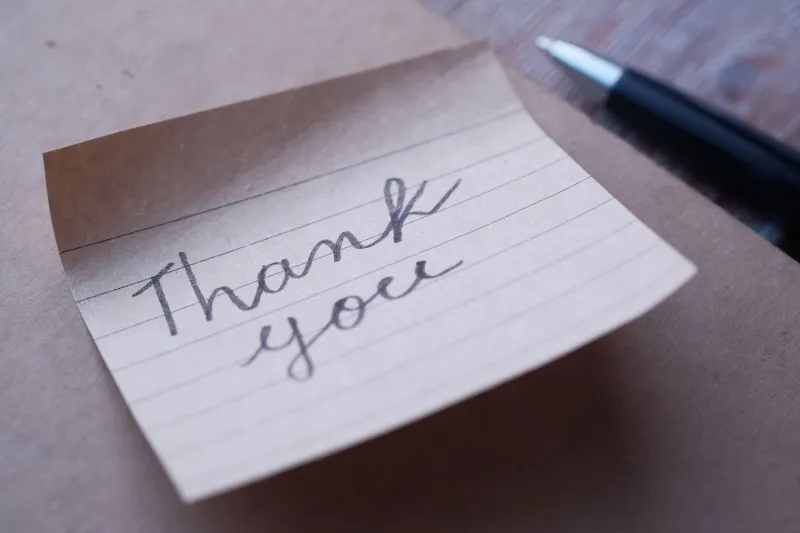
So what's he keeping? A crumpled sticky note a patient slipped him on discharge night. It says only: 'You listened. That was new.' He keeps it in his car's center console. 'I look at it on bad commute days. Which, in Phoenix, is most of them.'
His advice to nursing students heading into psych rotations: don't underestimate what you'll want to remember. 'You think you'll remember everything. You won't. The shift blurs. But the little things — a card, a note, even your first scuffed badge reel — those hold the whole era for you.'
More Than Sentiment
There's real psychology under this. Researchers who study professional identity have long noted that symbolic objects help workers in high-stress, emotionally complex fields stay anchored to why they started. For nurses — a profession with sobering burnout rates and, in psych especially, a heavy emotional load — a keepsake can function as a quiet reset button.
It's also about continuity. Psych nurses change units, systems, even states. Patients come and go, often not remembering the care they received. The badge in the drawer says: that time counted, even if no one else logged it.
A Small Challenge for Nurses Day
This Mental Health Nurses Day, consider a different kind of celebration. Alongside the pizza parties and the thank-you cards, ask your colleagues a simple question: what do you still keep?
You might hear about a first badge with a mid-blink photo. A thank-you card softened at the folds. A badge reel held together with tape and stubbornness. And you might find that the best appreciation activity isn't giving nurses something new — it's making space for them to honor what they've already carried.
Denise still can't explain why she keeps her 1998 ID. But she knows she's not letting go of it. 'Somebody's going to have to throw that drawer away after me,' she says. 'And honestly? I hope they read the badge first.'